Early Warning & Draxis Axon
Every frame is drawn live in plain JavaScript on a canvas: hand-inked strokes, marker fills and line boil, all generated from code. Space plays or pauses, ← → seek, C toggles captions, F goes full screen.
0:01 Incidents rarely come out of nowhere. The signals drift first.
0:06 Draxis remembers what your KRIs looked like in the weeks before your past incidents, and before your near misses too.
0:13 Then it watches for that pattern to come back. Not one threshold, but the whole shape of the drift. Even losing visibility counts as a signal.
0:23 When it matches, you get a warning you can act on: which conditions match, what to fix, and what happened last time.
0:31 Draxis Axon extends that hindsight across the network. Only anonymized trend directions are shared, never raw values, and only once enough companies contribute.
0:43 Your telemetry. Everyone’s hindsight.
0:46 And when you fix it in time, it’s counted as averted. A warning that worked is not a false alarm.
0:54 Draxis. Don’t wait for the breach to read the signal.
On the platform page, the early warning section shows what a warning looks like and how averted incidents are counted. The Draxis Axon page explains what each plan sees from the network.
For the privacy model, read Axon architecture and privacy: what is contributed, the minimum contributor threshold, and the data flow.
Overview · 1:04Read the Signal
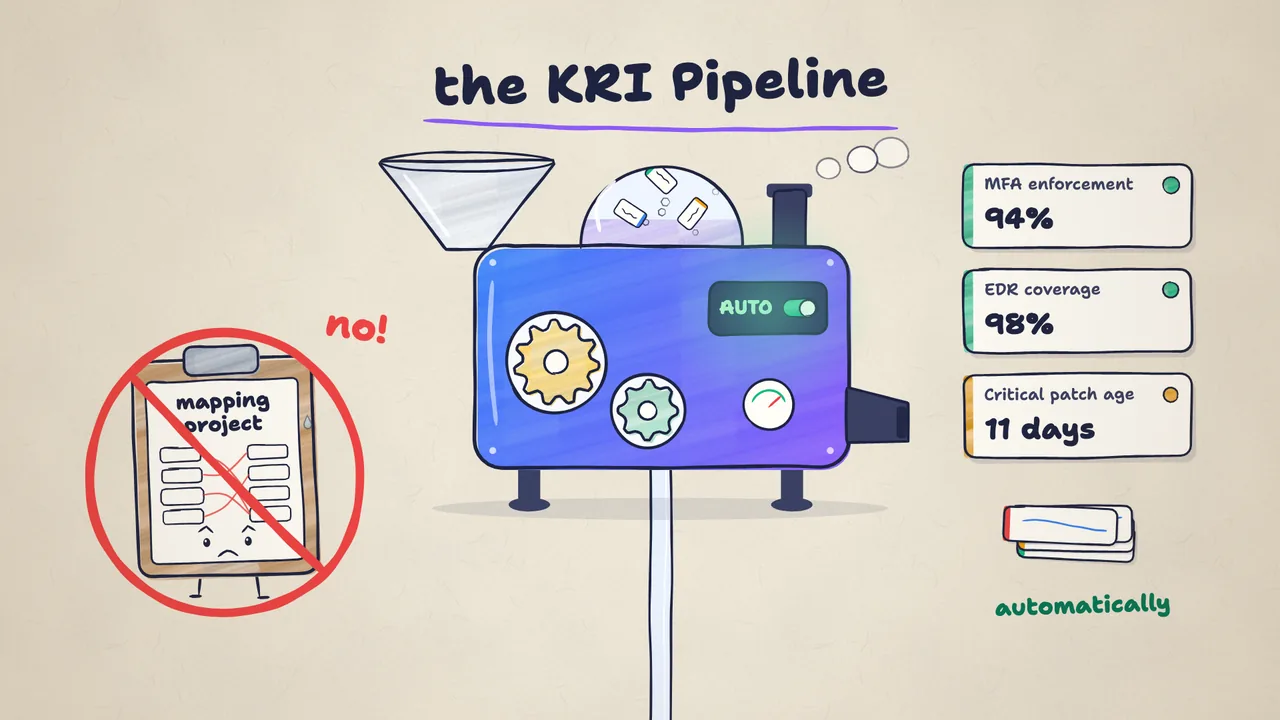
Deep dive 1 · 1:00The KRI Pipeline
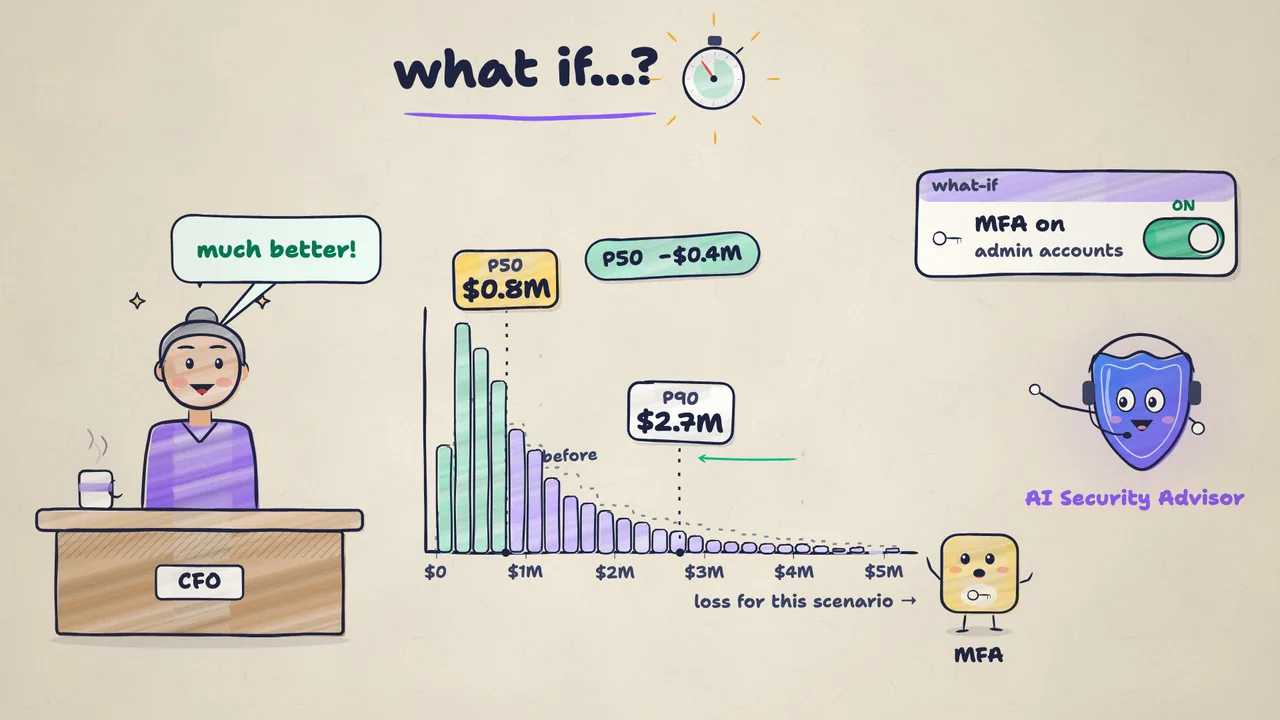
Deep dive 2 · 0:59The Cyber Risk Simulation Engine
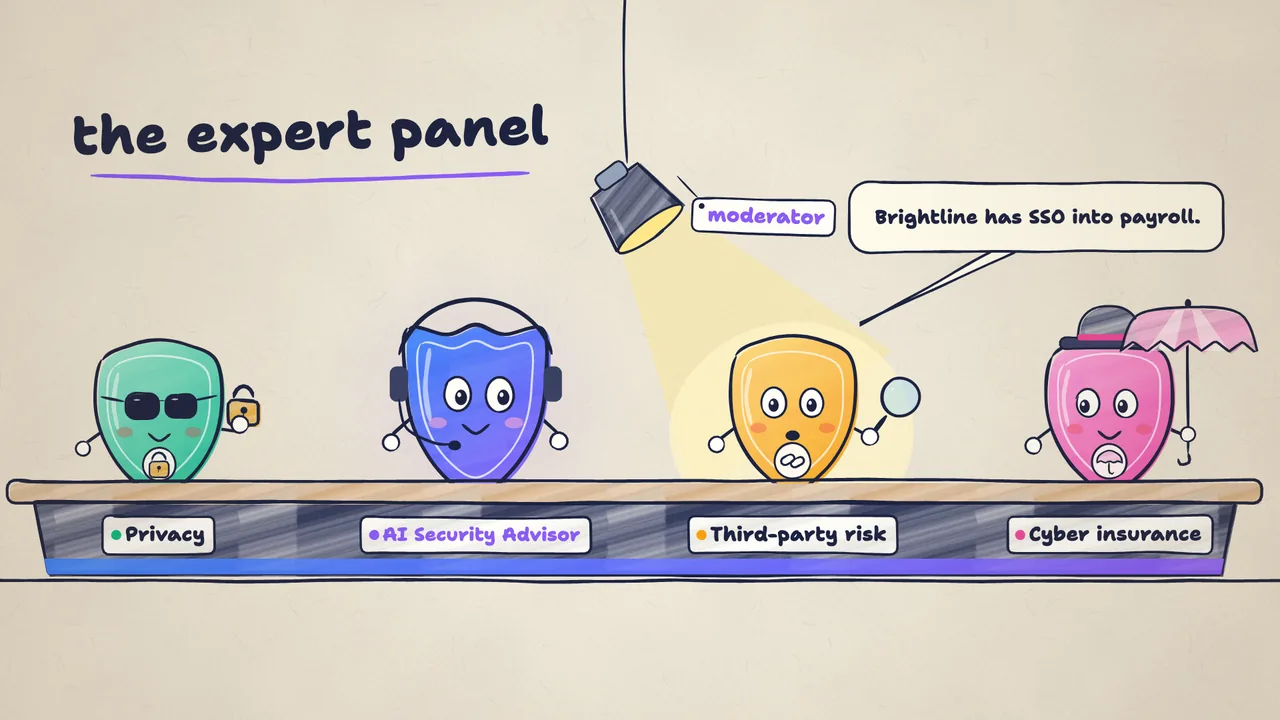
Deep dive 4 · 0:59The AI Security Advisor & Expert Panel
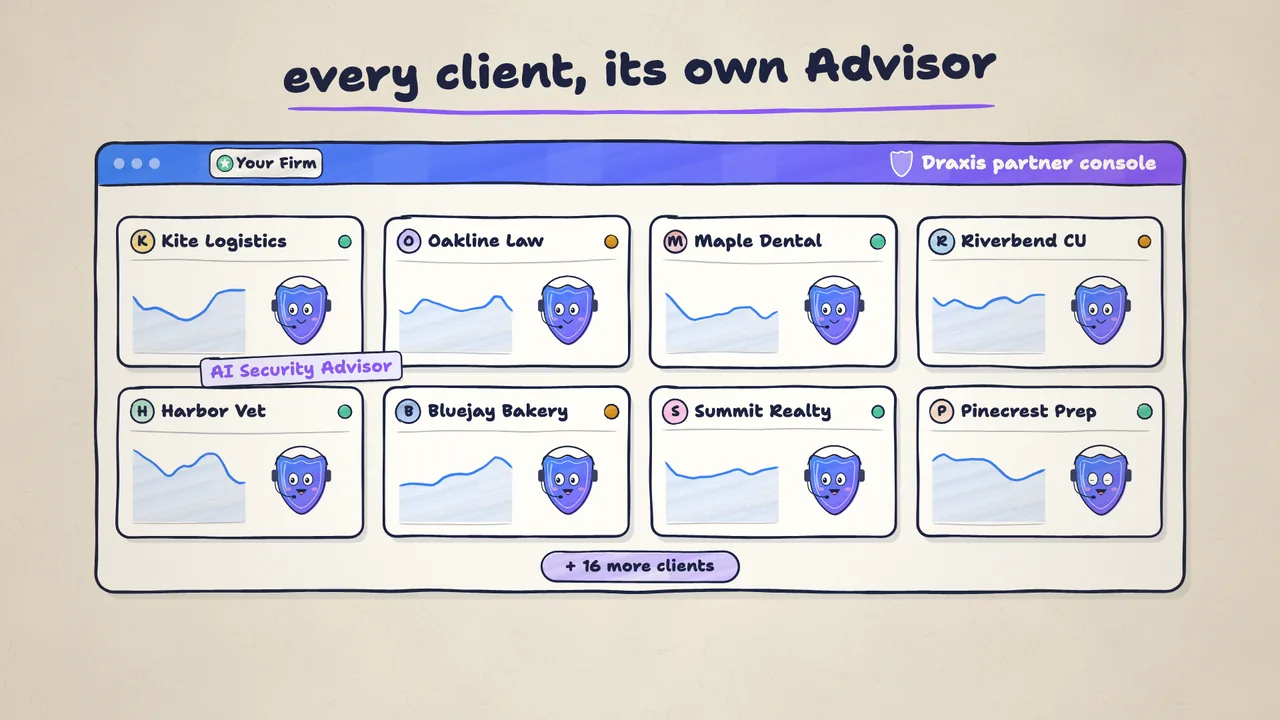
Deep dive 5 · 1:01The Partner Console for MSSPs
Deep dive 6 · 1:00NIST CSF & MITRE ATT&CK Mapping
Deep dive 7 · 0:59The Draxis MCP Server