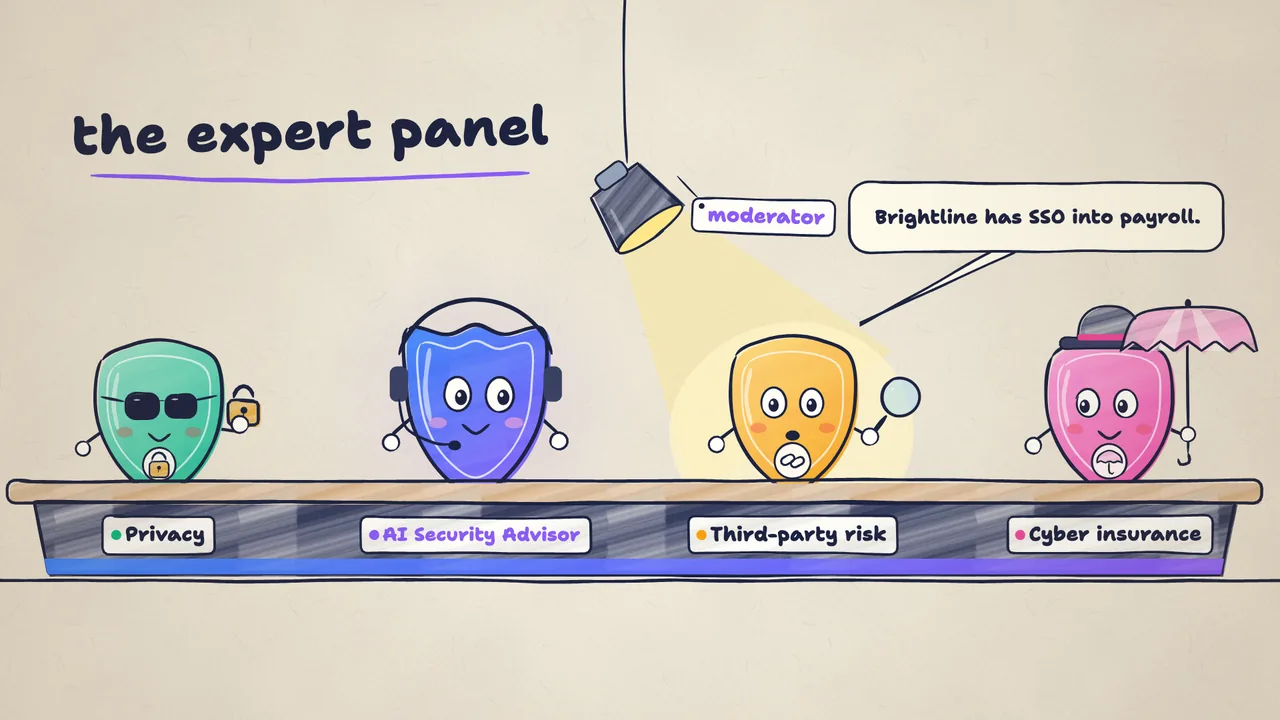
0:01 Auditors, regulators and underwriters each speak a different framework.
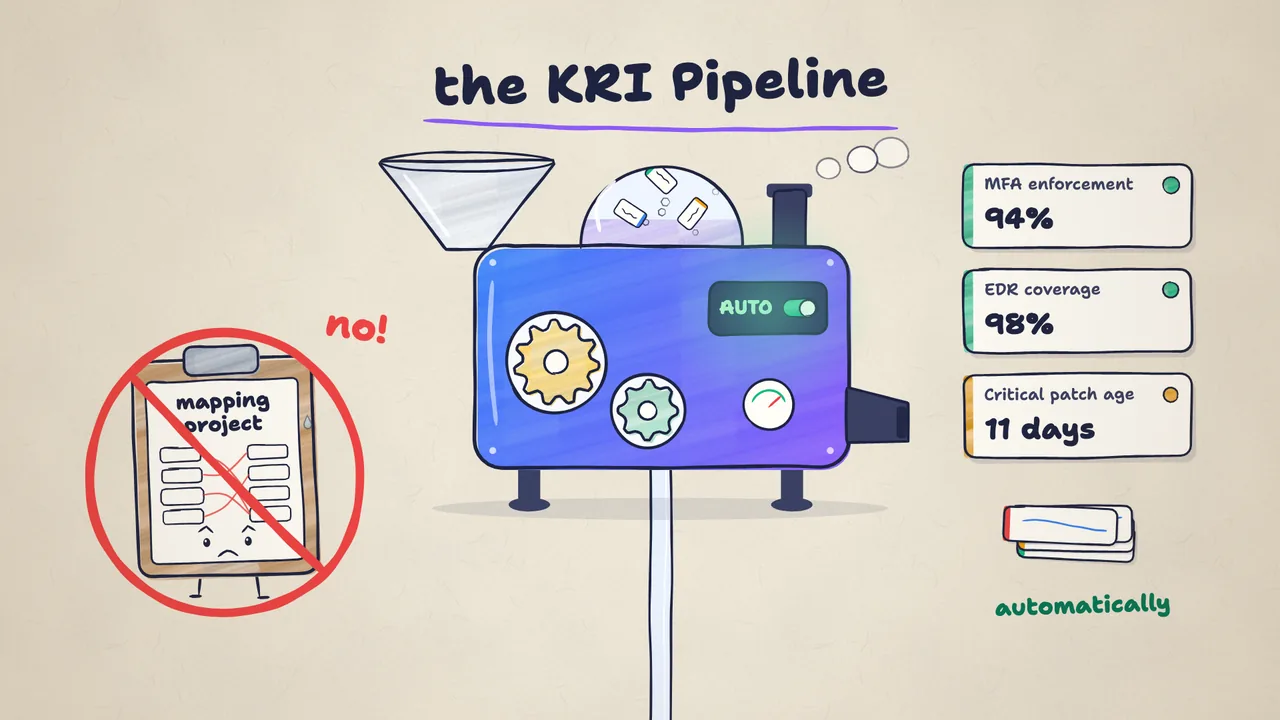
0:06 Draxis translates your live KRIs into all of them from day one, with no mapping project.
0:12 Each KRI maps to CIS safeguards, which crosswalk to NIST CSF 2.0, ISO 27001, DORA and NIS2.
0:23 On the attack side, controls are linked to MITRE ATT&CK techniques, so you can see which techniques you actually cover.
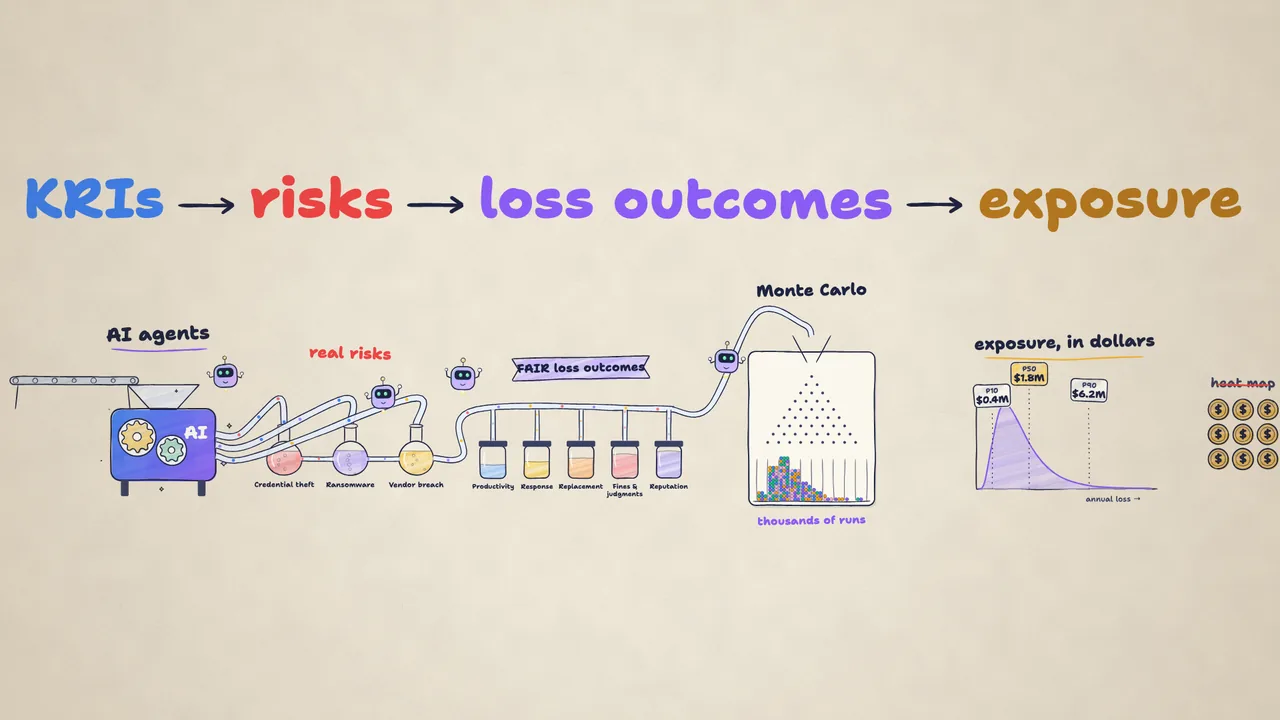
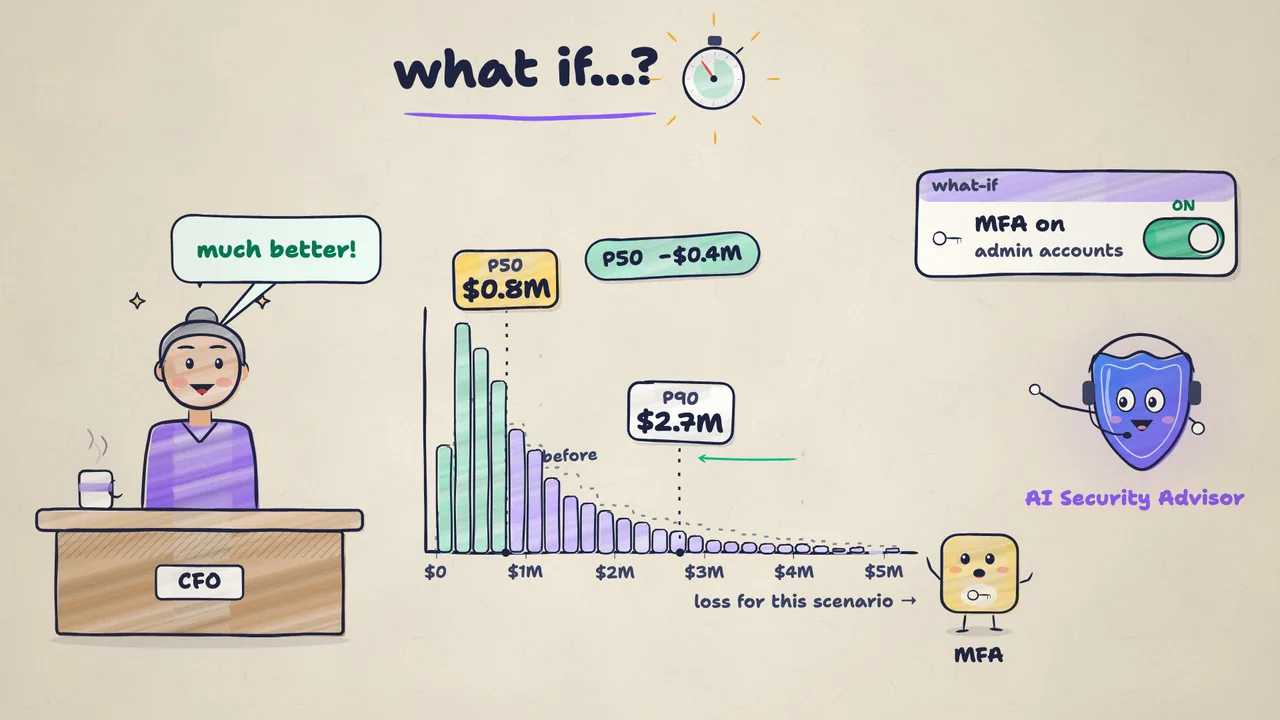
0:30 Every control gets an effectiveness verdict, strong, moderate or weak, with a confidence score and the reasoning behind it, and that verdict feeds the simulation engine.
0:41 Low-confidence mappings wait in your inbox for review, and your analysts’ edits are never overwritten.
0:48 It’s not a compliance project. It’s your real posture, in the language each audience speaks.
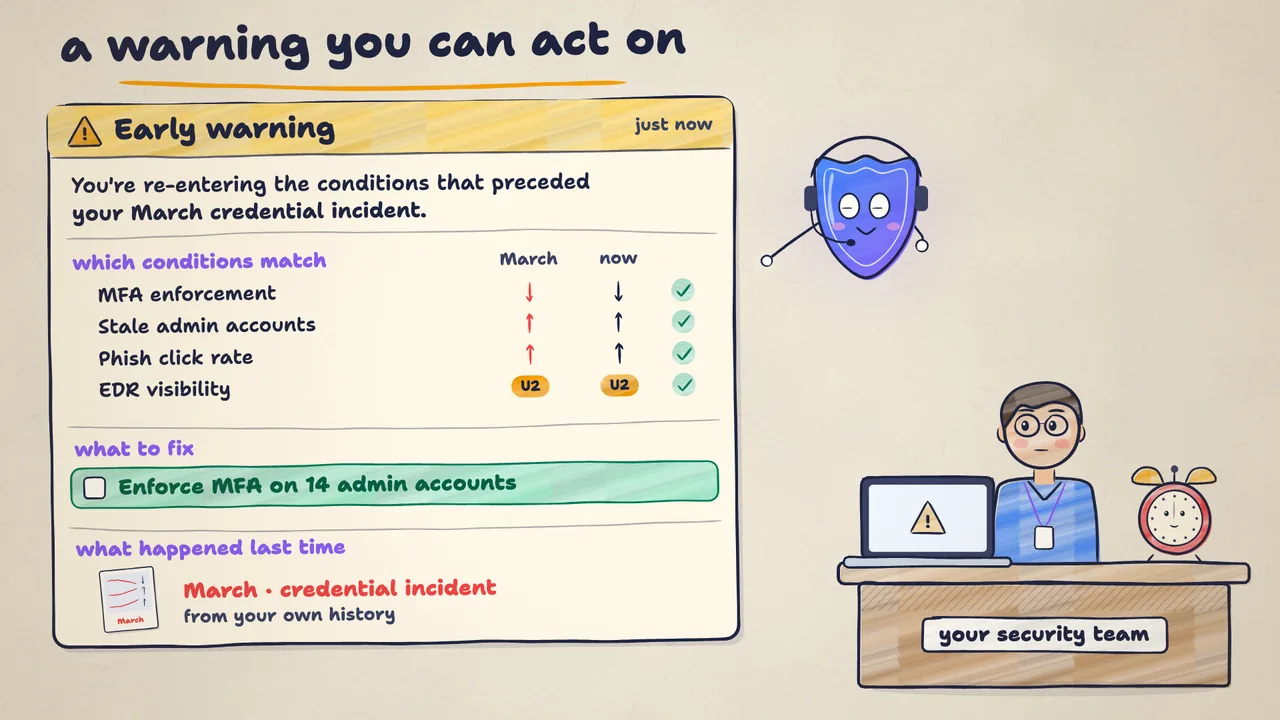
0:55 Draxis. Don’t wait for the breach to read the signal.